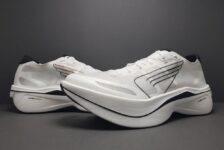
Category: Racer
Stack height: 40/34 mm
Weight: 150 g
TYR is an American company with four decades of history. It doesn’t need an introduction, since it has a very strong presence in swimming, triathlon and CrossFit.
Two years ago, the company made its first attempt at entering the running market with the Valkyrie Speedworks and Elite Carbon. Both shoes were very good, and we did not judge them more leniently simply because they were first attempts. TYR followed the established “super foam + carbon plate” formula to the letter, without taking any unnecessary risks, and ultimately made a convincing introduction to the running world. The training-oriented Maverick followed, also receiving very positive feedback, although I never had the chance to test it myself.
A successful debut but the next step is always the difficult part. How do you turn a promising debut into a consistent presence and eventually, an establishment? Especially when the racer category has evolved so rapidly over the last two years, with so many strong contenders in the market.
To be honest, I expected TYR to take a “safe” approach with the next generation, partly to maintain its presence in the running market and partly to give its triathletes a racing option. As it turns out, my assessment could not have been more wrong.
Upper & Fit
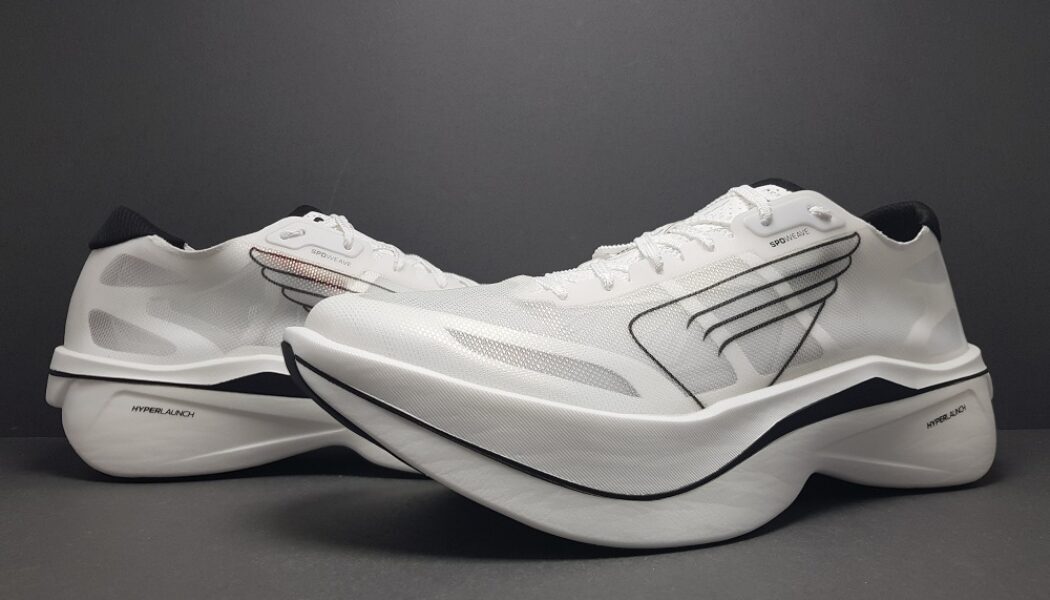
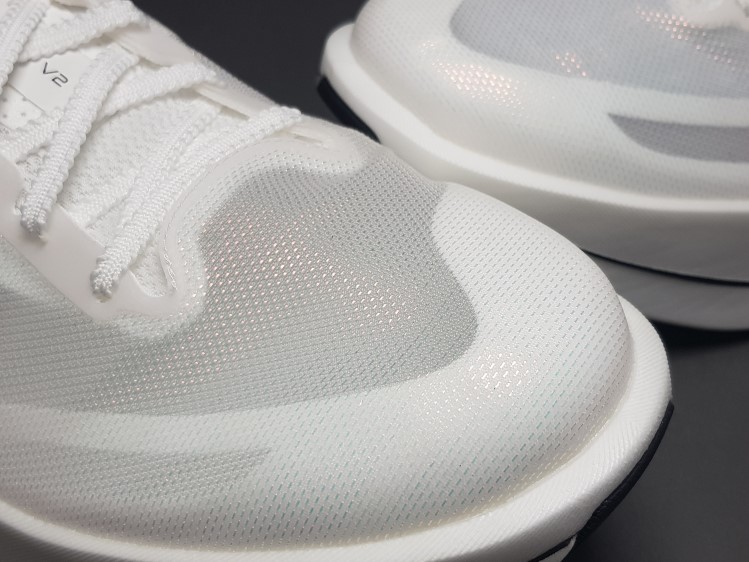
The new Valkyrie Elite makes an immediate impression with its appearance. And I am not talking about the colorway, although I am generally a fan of clear white, but rather the choice of material. The SPDWEAVE mesh is almost invisible, looking more like a membrane than a fabric. It is among the thinnest meshes I have seen, if not the thinnest. Yet its construction is surprisingly structured, made from synthetic, non-elastic threads with an almost plastic-like feel. A nice touch is the iridescent effect of the threads when they catch the light.
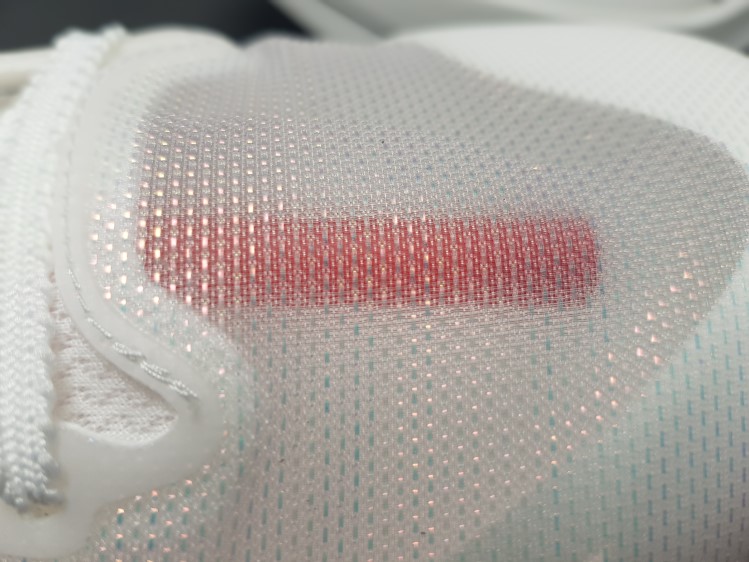
The Spdweave is so thin that it is virtually transparent.
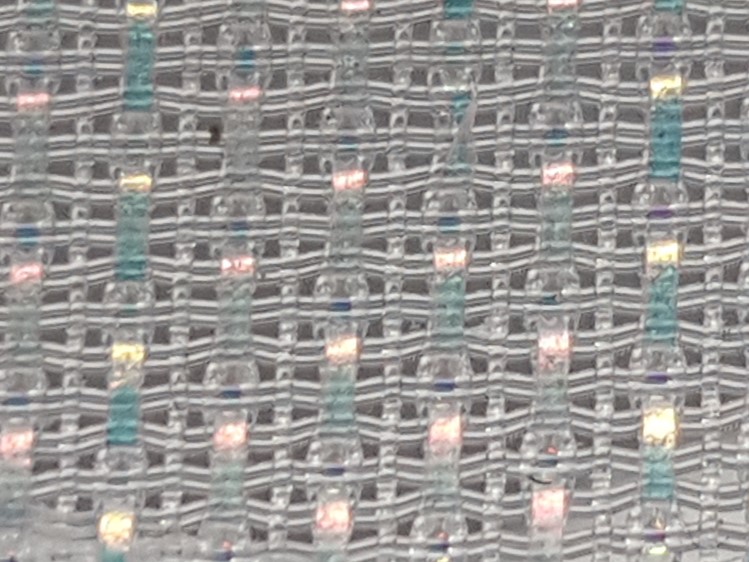
The scattered colors woven into the fabric create an iridescent effect that changes depending on the viewing angle.
The mesh is supported by a large, rigid toe bumper, something not commonly seen on racing shoes. However, here it is necessary, both for durability and lockdown.
The midfoot is reinforced by several underlays, particularly lower down where the upper is subjected to greater stress. The eyelet panel is made from hard plastic and takes all the tension from the lacing.
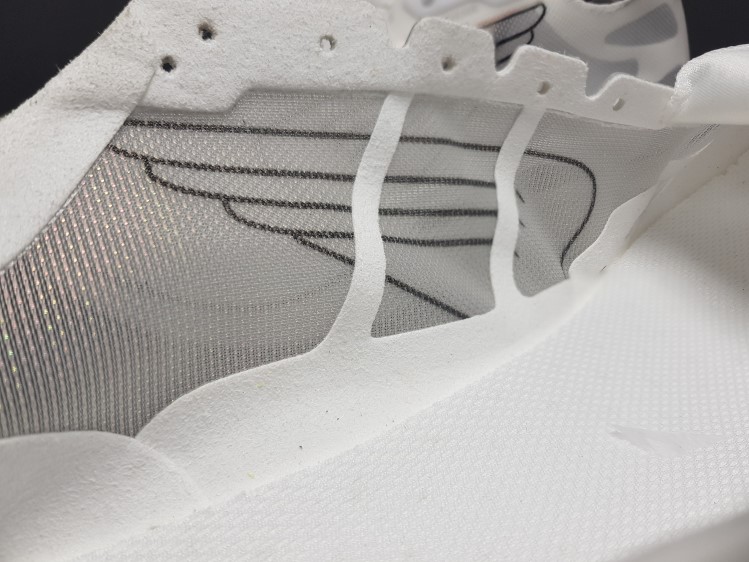
The perimeter underlays around the lower section reinforce and structure the lightweight mesh.
The non-gusseted tongue is made from a thin, soft fabric, with an additional layer of material at the very end. Completely racing-oriented, with no foam whatsoever.
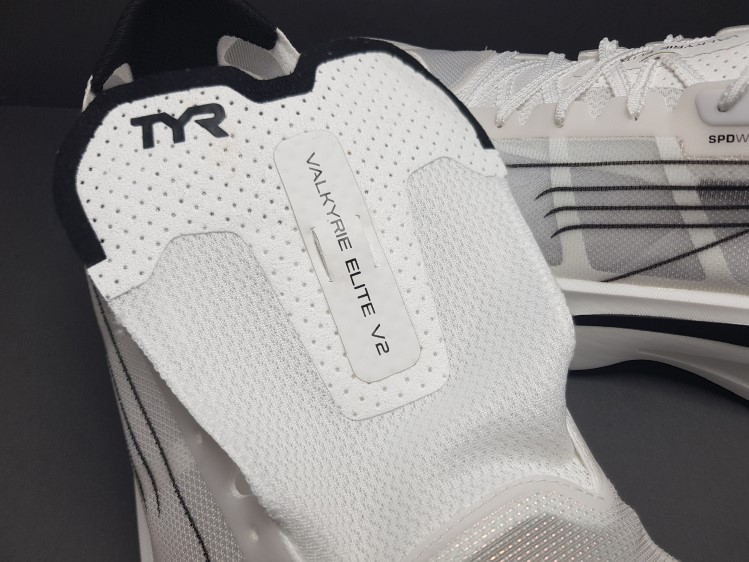
At the rear, the construction is more reminiscent of a track spike than a distance racer. An entirely flexible collar and a thin layer of soft lining are there simply to prevent friction. Nothing else.
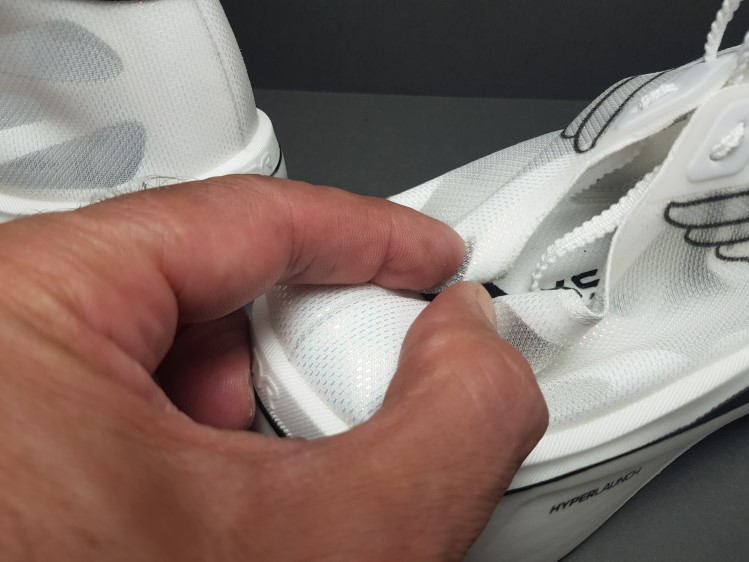
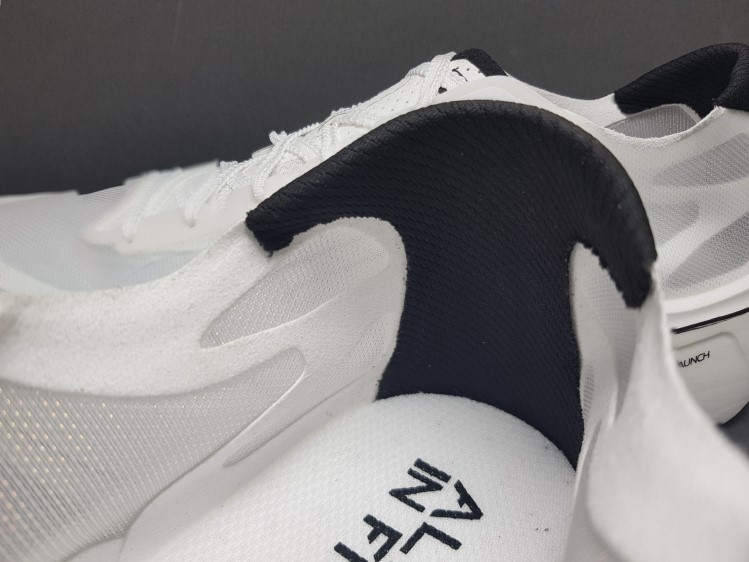
The Elite’s upper is clearly very well thought and purpose-built. It takes the absolute minimum weight from the mesh, while adding just enough reinforcement to make it functional and capable of supporting the speeds the shoe is designed for.
Despite appearances, the toe box has a decent amount of room and is nicely rounded at the front. I was initially concerned about the rigid toe bumper but I never noticed it during running. I think anyone with a regular-width foot will have no issues with space up front.
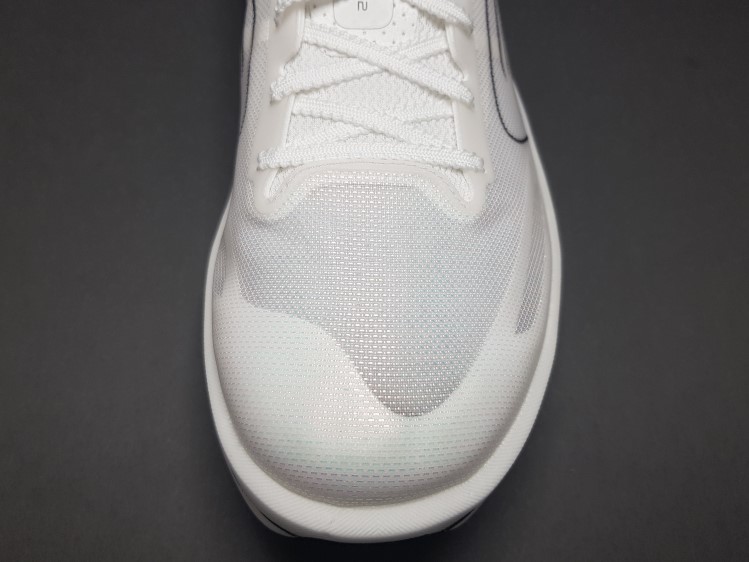
Up front, a substantial toe bumper dominates the design, securing the lightweight mesh.
Through the midfoot, the fit becomes distinctly race-oriented. Simply tighten the soft, serrated laces and the fabric wraps around your foot. There is no pressure across the top of the foot despite the almost bare tongue, which is also quite short. If you use the extra eyelets, its length becomes borderline. On the other hand, it holds its shape well and lays properly over the foot.
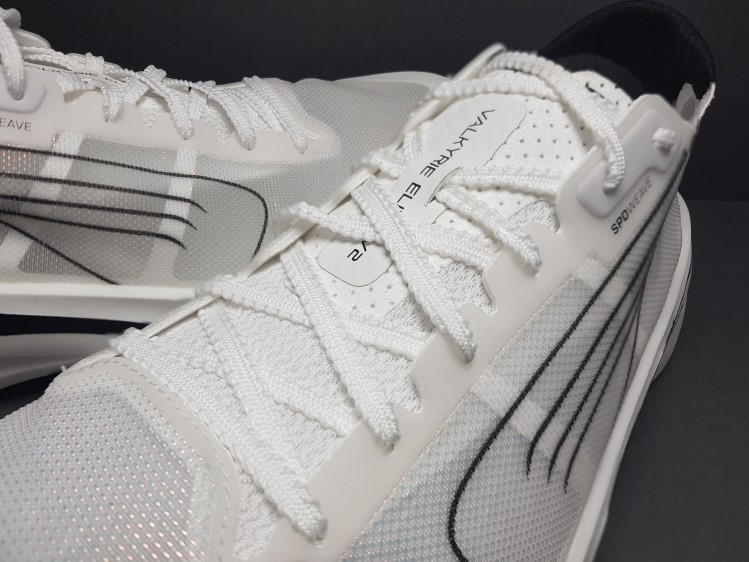
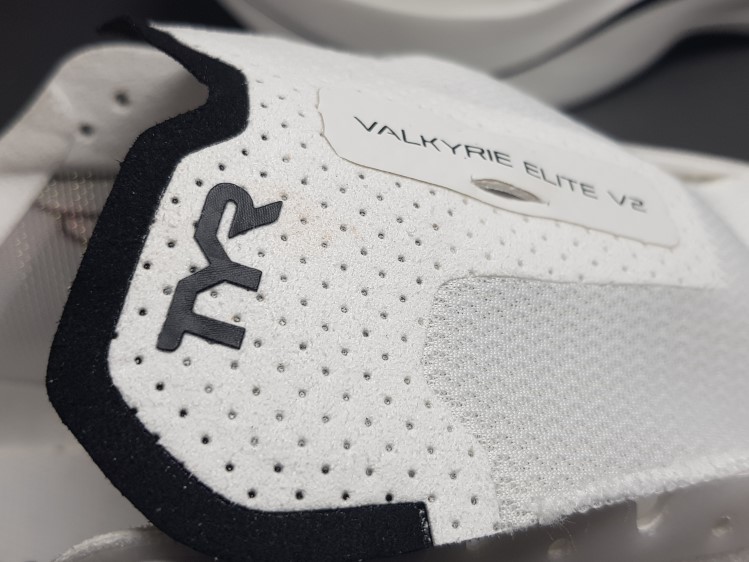
A well-designed lacing system and reiforcement at the upper section of the tongue.
The collar is almost non-existent. It becomes one with your heel, although it does require a fair amount of tightening. There is no vertical movement of the foot, although on tighter corners you can feel the minimal construction being challenged by lateral forces.
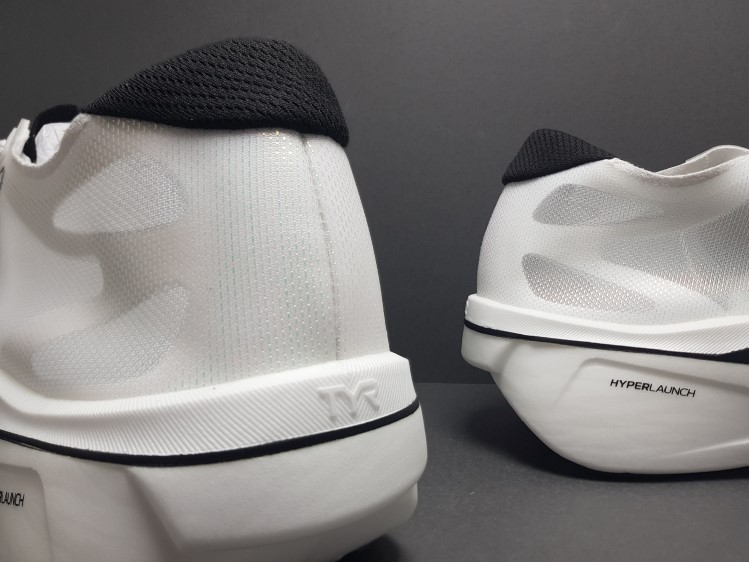
I should mention that on my first run I experienced some Achilles irritation from the thin edge of the collar. After that however, it seemed to soften up and never bothered me again.
Despite its featherweight construction, the upper holds the foot surprisingly well and fully supports what the midsole is capable of. The mesh is sturdier than it looks, helped by the structural elements. It has no problems on the track or through bends and will only really be stressed on very sharp road corners. As a pure racer, it is certainly not aimed at runners with very wide or bulky feet. Everyone else should find it easy enough to fit.
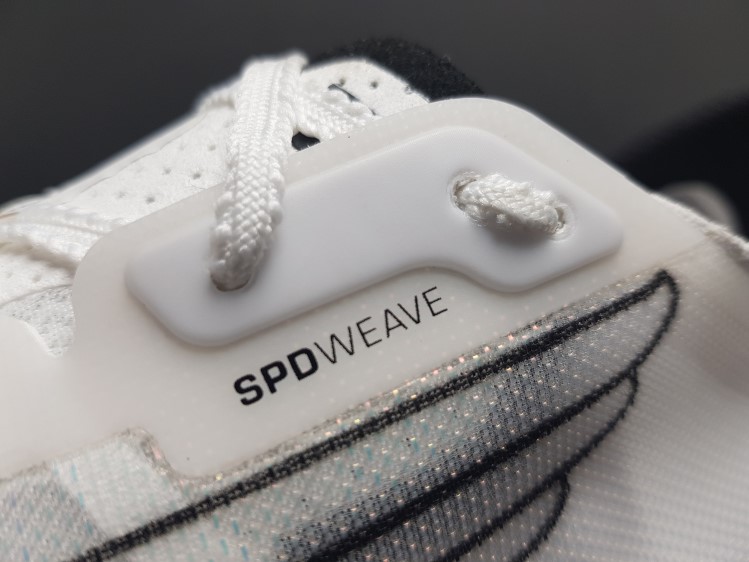
The rigid plastic frame is what bears the entire tension of the lacing system.
As for breathability, there is really nothing to discuss. The mesh is literally gauze-like. I wore it on days with considerable heat and humidity and it performed flawlessly.
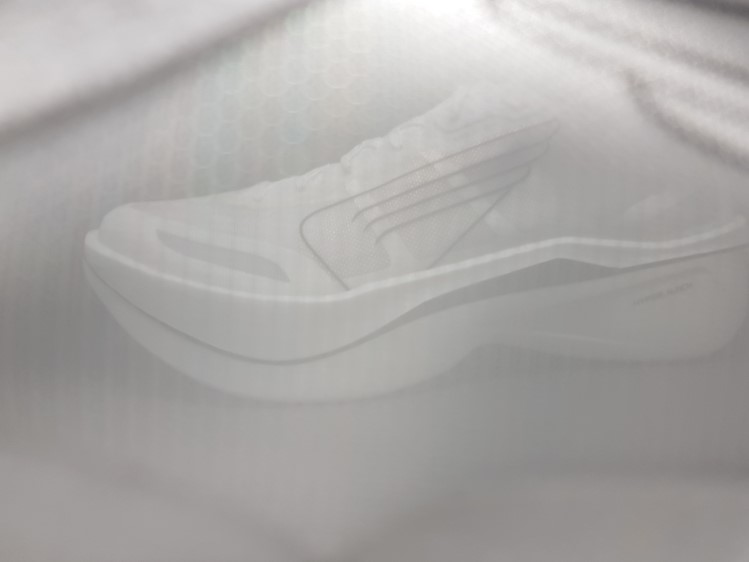
The translucent fabric has an almost rice paper appearance.
The sizing is true to size. However, TYR has a discrepancy between its EU and US sizing, with the EU size being half a size smaller. For that reason, choose according to the US size you normally wear.
Midsole & Ride
And this is where things get really interesting.
First of all, the foam. TYR has gone straight to the top shelf, using the most advanced material currently available. HyperLaunch is a supercritical Aliphatic TPU compound, characterized by high elasticity and responsiveness, consistent performance over time and very low weight. In my opinion, it is the obvious choice when outright speed is the primary objective.
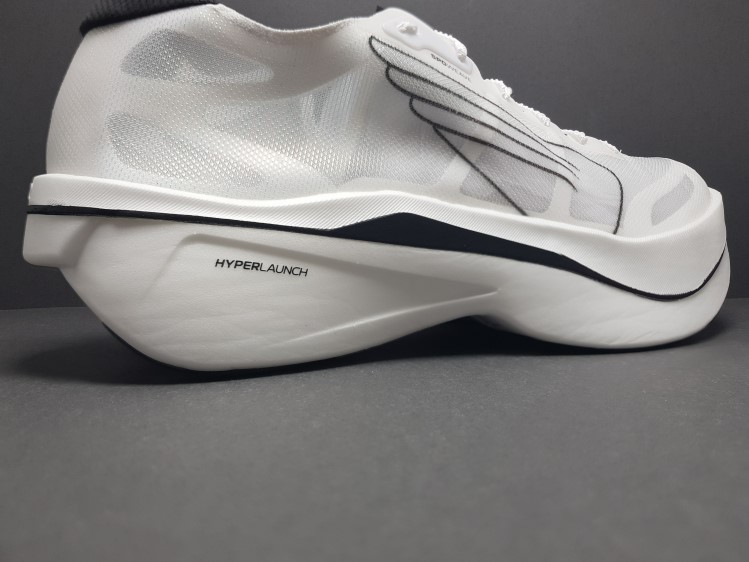
The midsole is anything but conventional.
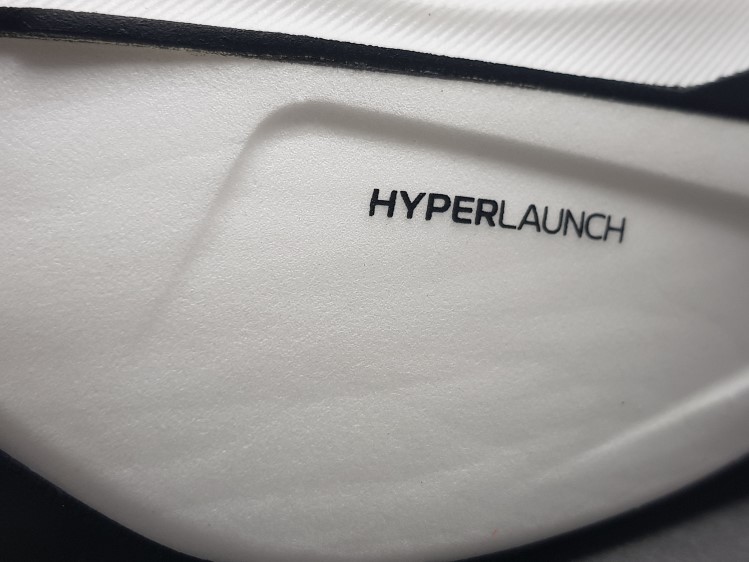
The characteristic look of A-TPU.
Between the two foam layers sits a carbon plate with a long and extremely aggressive angle from the midfoot onward. It drops low underneath the metatarsals and rises sharply toward the toes. There is a large cutout in its middle section, intended to give the plate a small degree of flex. As we have increasingly seen lately, the old idea that a carbon plate should be absolutely rigid seems to be changing, with designers allowing some initial flex for more efficient loading.
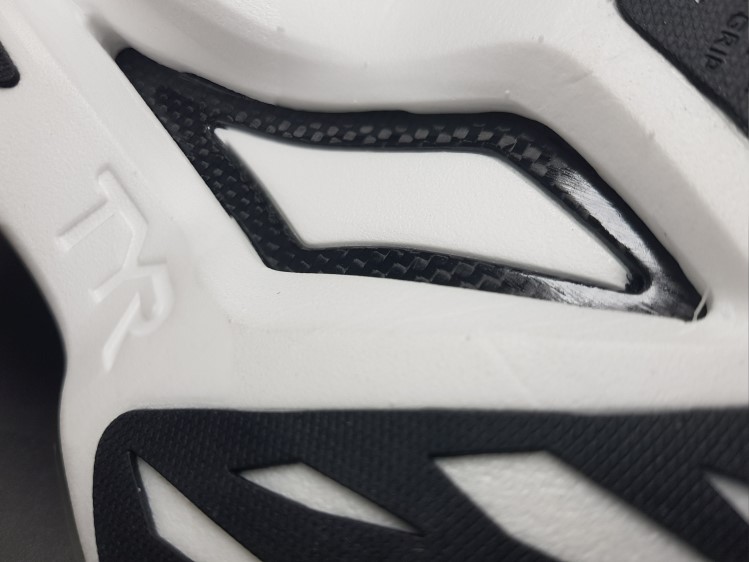
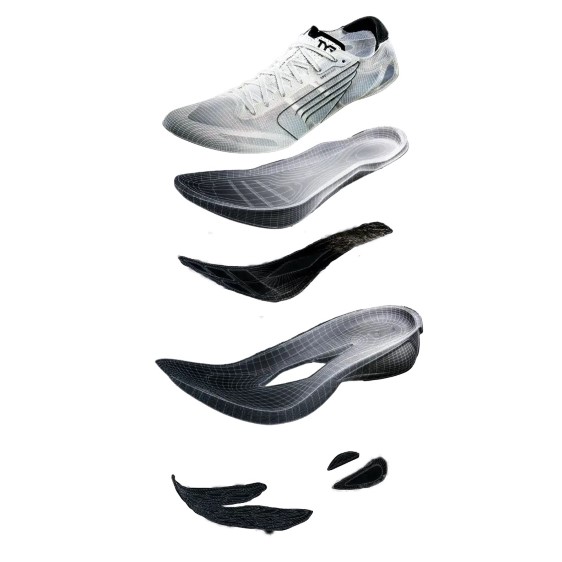
The pronounced curvature of the plate is clearly visible here.
The plate appears to extend beyond the end of the midsole, reminiscent of the Puma Fast-R. I cannot say with absolute certainty that this is actually the case, and TYR has not provided any information on it, but both visually and underfoot, it certainly seems that way.
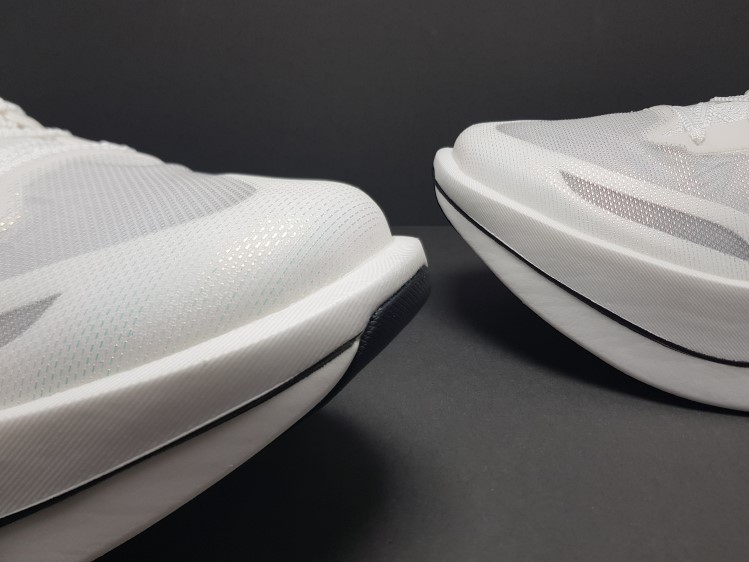
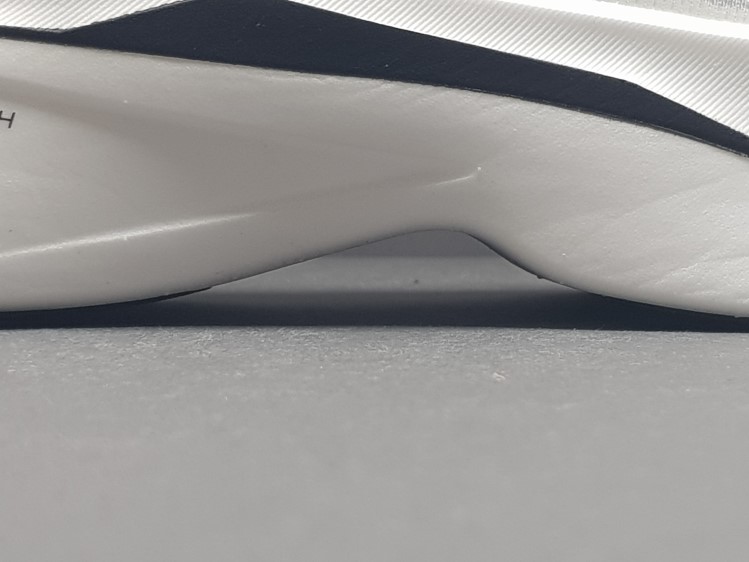
The Valkyrie Elite’s midsole is defined by the large cutout through the middle, which almost separates it into two sections. Naturally, another comparison with the Puma is inevitable, although the effect is much more subtle on the TYR and the heel is considerably more filled in. The philosophy however is similar, as we will see.
The outsole is also racer oriented, with coverage from very soft, thin rubber only at the front and even there, it is not continuous. At the rear the coverage is minimal. Grip is very good on both asphalt and track, while after around 40 km there is virtually no wear anywhere. Not even on the exposed foam.
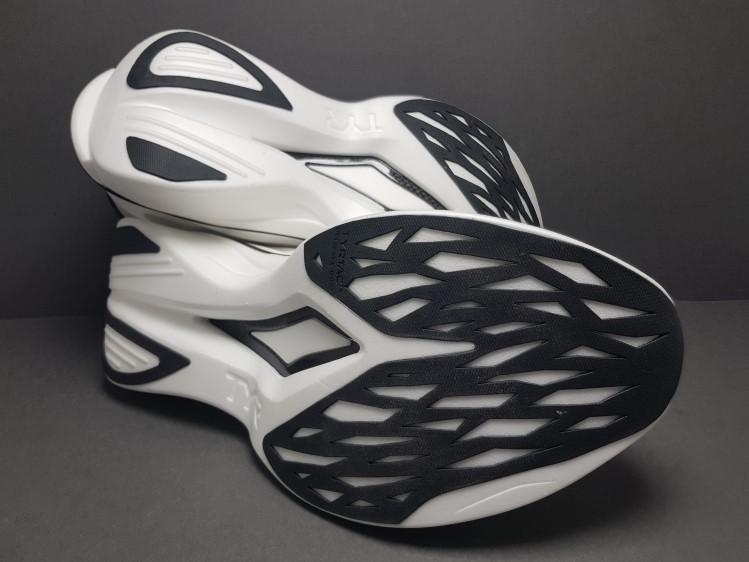
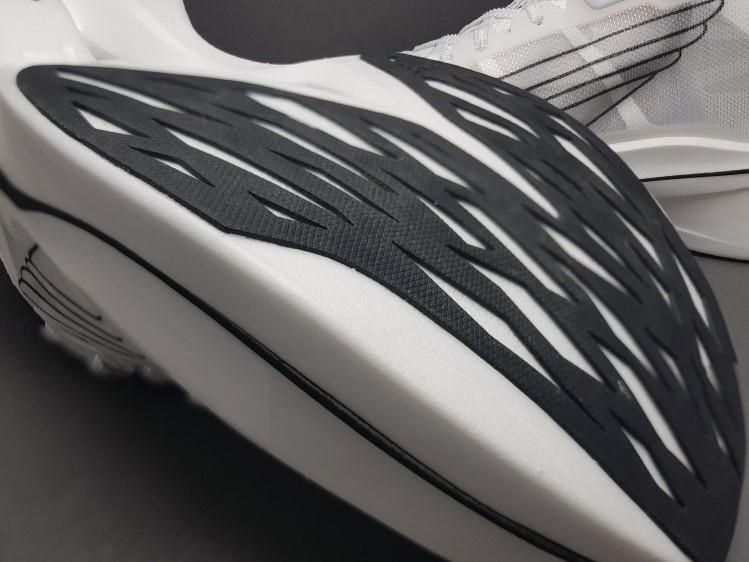
The gaps between the rubber sections save weight and give a better grip.
If the first Valkyrie Elite was built around stability, ease and predictability, the new model has one goal only: outright speed. It tells you so from its appearance, and it makes it clear within the first few meters.
First of all, the weight. At 150 g, it currently sits behind only the Adidas Evo 3, with its questionable foam durability, and the ASICS Metaspeed Ray. We are talking super shoes, of course. Personally though, this is the lightest shoe I have ever tested and although I am generally not particularly sensitive to weight, the sensation here was impossible to ignore.
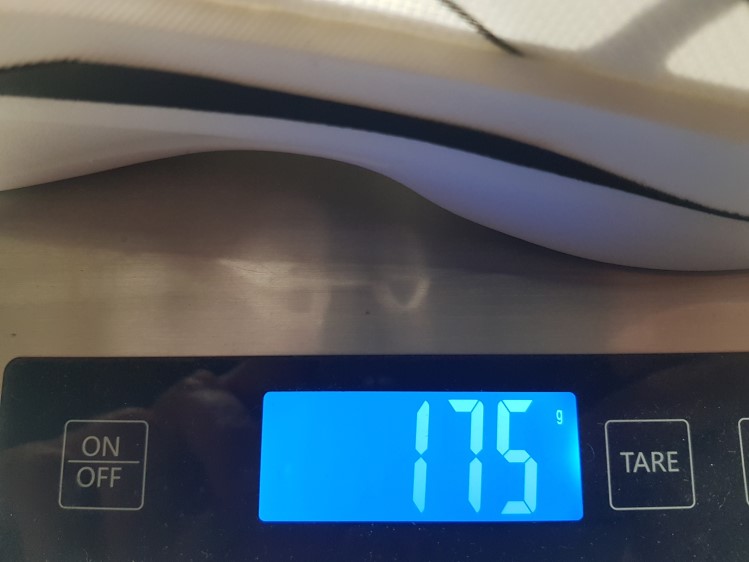
US11
The HyperLaunch is very soft in the heel and compresses easily under load. The relatively small contact area with the ground contributes to this, as the angled cuts through the midfoot and rear section facilitate compression even further.
Under the metatarsals the sole feels more substantial and controlled. The position of the plate plays a role here of course. It remains highly cushioned in this area, though. In fact, to my eye the stack height seems slightly higher than the official 34mm.
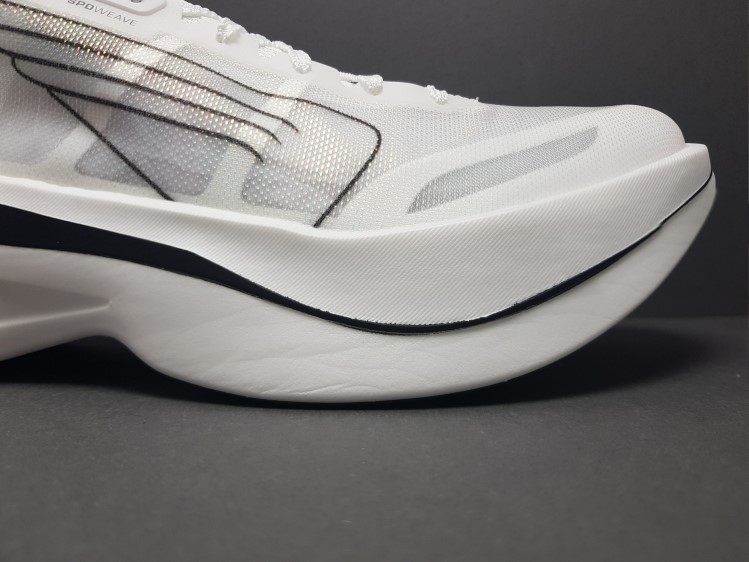
Despite its height, the forefoot doesn’t sacrifice feel and feedback.
The A-TPU is highly dynamic and elastic, as we already know from other applications of the material. You put energy into it and it gives it straight back, with virtually no delay or unnecessary sink. What really sets the Valkyrie’s midsole apart though, is its geometry from the midfoot onward.The plate design and long rocker create a very distinctive forward drive. It is not exactly a launch, despite the foam’s inherent bounce, nor is it simply a rolling sensation caused by the large rocker angle. It is a combination of elements that shoots you forward and longer, longer. Put another way, the level of leverage increases your range with every stride.
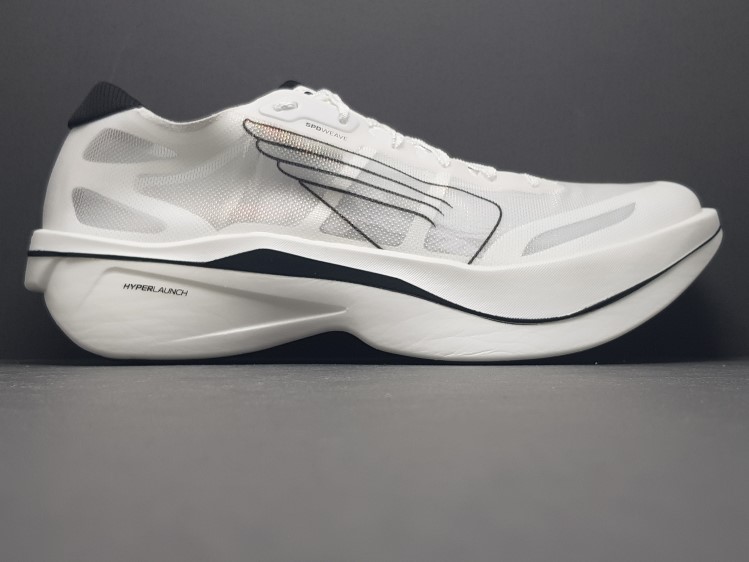
The image speaks for itself.
For the shoe to work properly however, you need to disengage the rear section. I do not mean that the heel should never touch down, but the main loading needs to happen through the midfoot and forefoot. The heel is extremely soft and almost bottoms out if you land heavily on it. Combined with the central cutout, the result can make the shoe feel as though it has an almost negative drop. The sensation is unusual and the transition is noticeably delayed. This is not a shoe designed to work with heavy heel striking, you essentially “short-circuit” its geometry if you load it that way. Moreover, you can feel a sort of “step” through the midfoot.
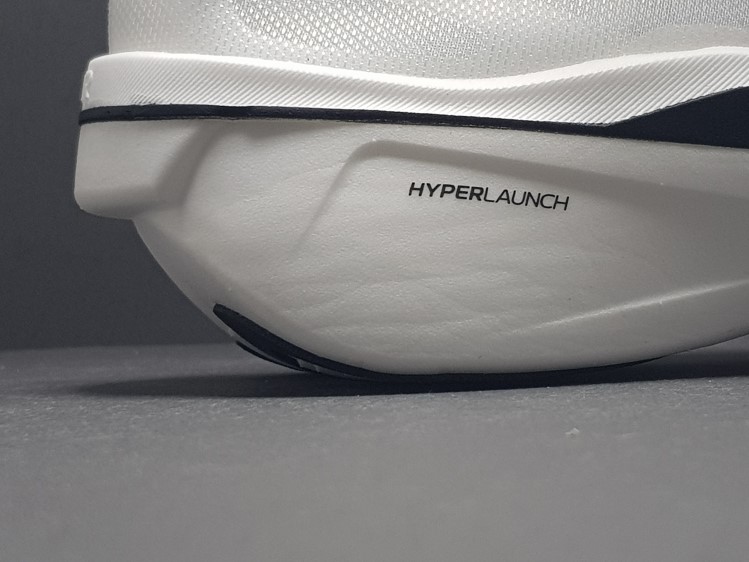
Once you land more fully through the midfoot or further forward, the Valkyrie becomes one of the most aggressive and efficient shoes I have personally tested. Extremely direct and with a fast turnover, it rewards strong legs and good form. At the beginning of my runs, when I was fresher and able to land even further forward, the toe-off felt almost like a kick. There is a sweet spot, right where the plate begins to rise. You get the bounce of the HyperLaunch together with the huge rocker angle, which immediately puts you into a launch position. Despite the 34mm stack, the midsole does not twist. No matter how much force you put into, it delivers that force straight to the ground with no vagueness whatsoever. And most importantly, without making you feel the impact.
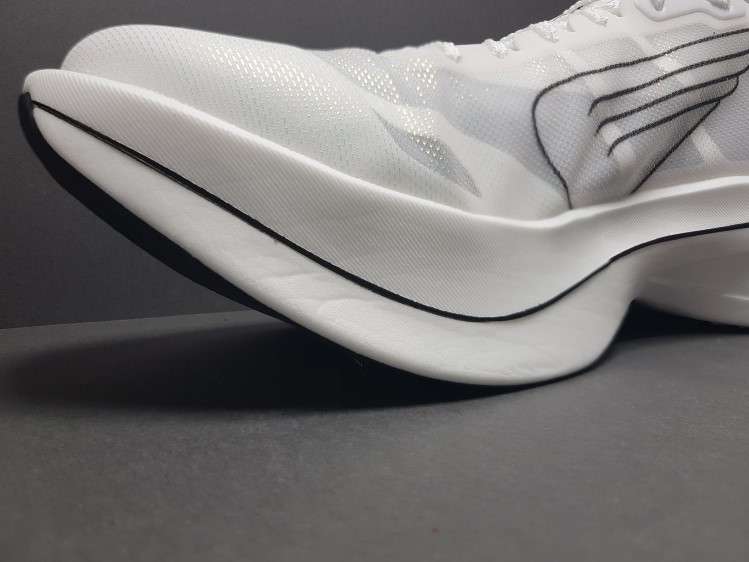
That rocker is a cliff!
With the Valkyrie, your pace can creep up without you even realizing it. It is not simply that the shoe encourages you to run faster but it does so without making the extra effort feel obvious. All of my runs ended up being faster than planned, often by quite a margin, while the perceived effort was still exactly where it should have been. Put simply, the shoe does some of the work for you. That said, it does require some attention and a short period of adaptation at first, otherwise you can easily find yourself running well outside your intended pace.
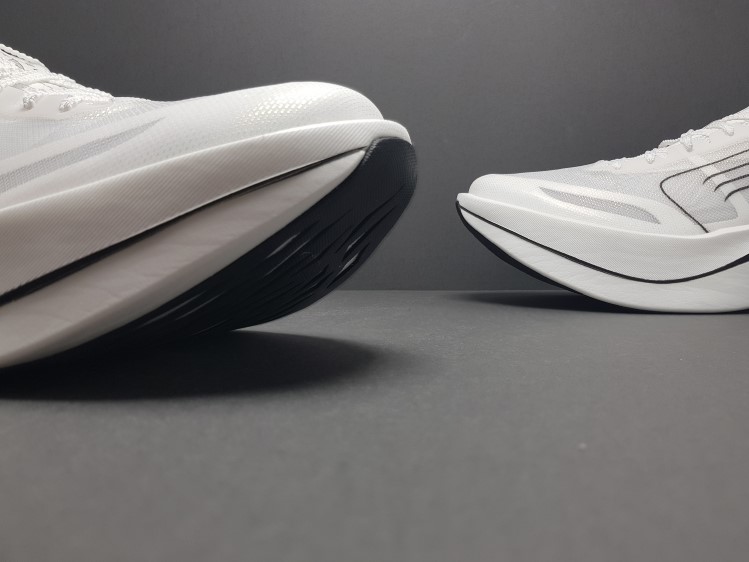
As for the protruding plate section, I cannot isolate it and say whether it contributes by increasing stride length, as I believe it is simply part of the plate’s overall architecture. Ultimately, the individual details matter less than the final result.
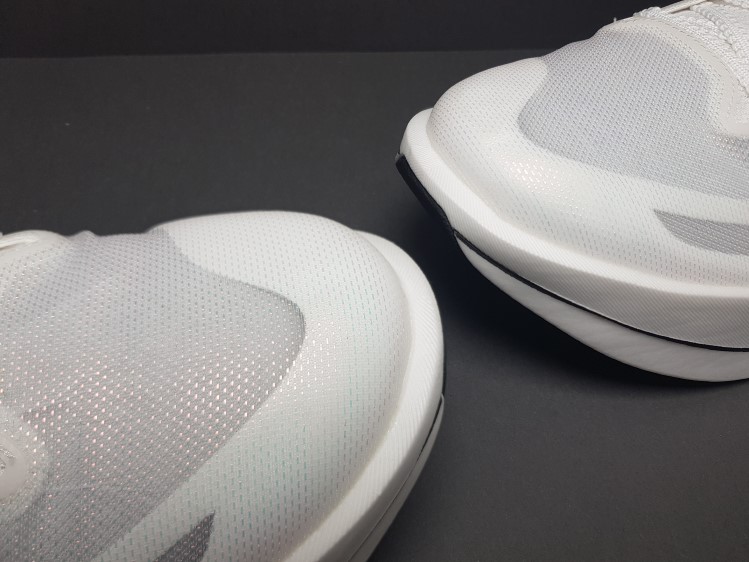
The TYR can handle virtually any pace from 3K through the half marathon. It is remarkably capable and efficient. For the full marathon, I have some reservations under certain conditions and they come back to the mechanics I mentioned earlier. The heel does not provide the security you want if things do not go according to plan and you need some extra support from the shoe. It requires good form to work properly and if that form breaks down, the Valkyrie has no Plan B. That is how pure racers work, though: friendliness takes a back seat when speed is the priority.
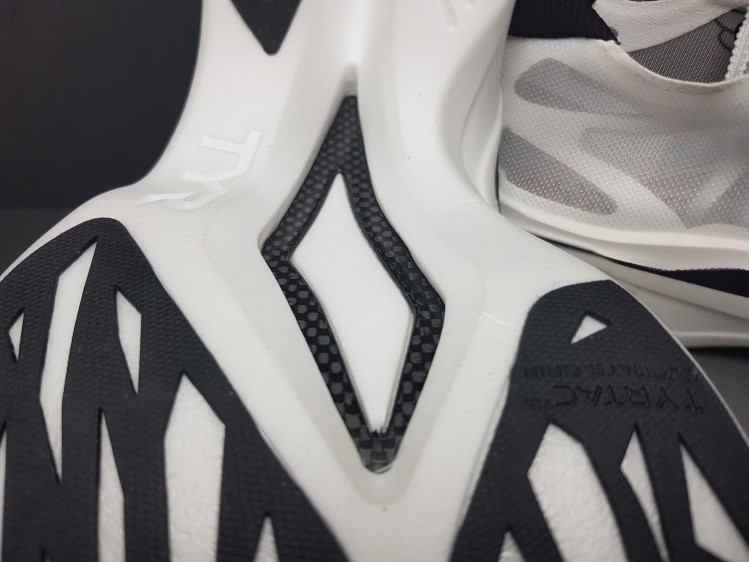
Under the metatarsals, the plate sits very low and maintains the rocker angle.
That said, if you maintain a midfoot landing and simply choose to run slower (rather than being forced to), the shoe will allow it. It is more comfortable than you would expect, thanks in part to the soft cushioning of the foam. I do not imply that you will choose it for an easy run, but it can certainly tolerate some slower sections of a workout.
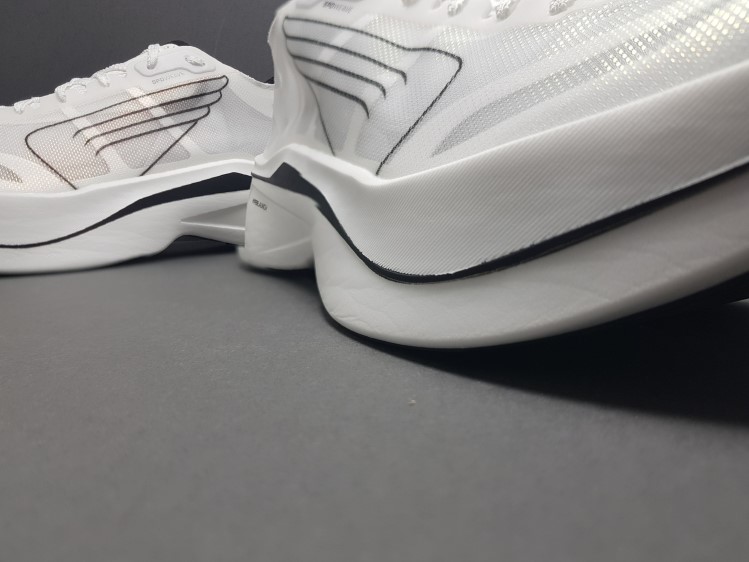
Stability is not one of its strengths, which is hardly surprising. It is not prohibitively narrow at the rear but the large cutout immediately after it does little to help if the ankle becomes fatigued and needs additional support. Neither does the soft heel. In any case, these characteristics become secondary when talking about a racer of this type.
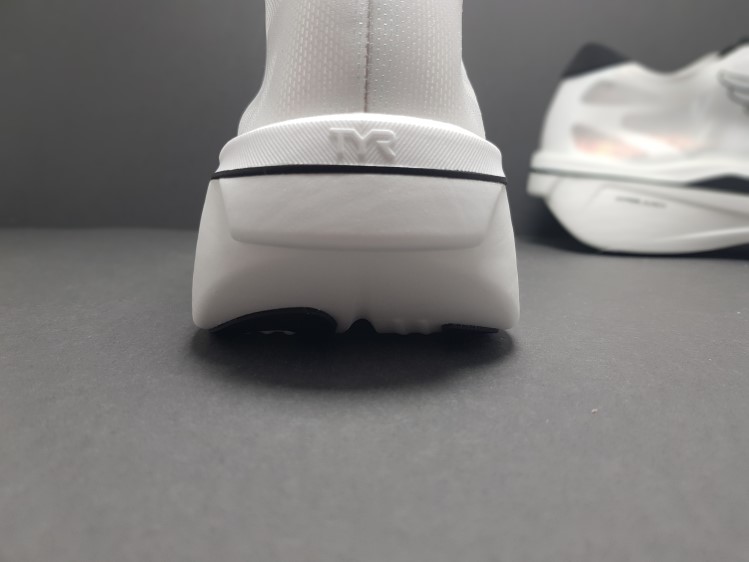
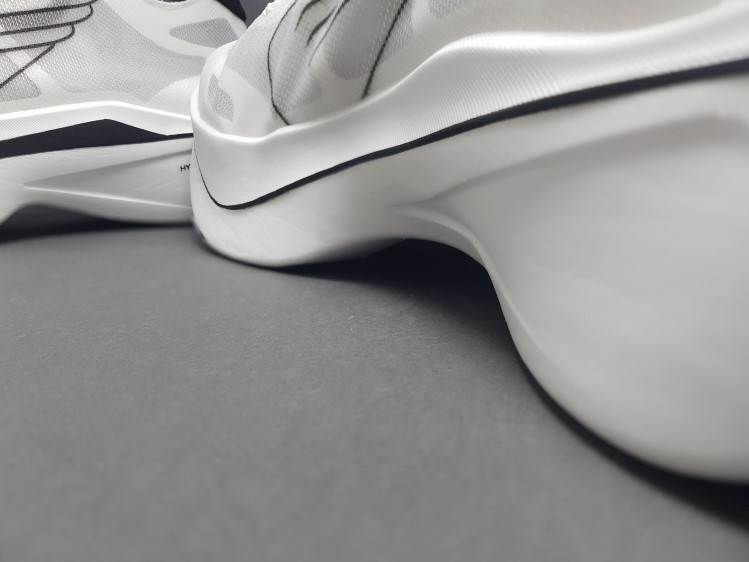
The open arch doesn’t offer support for runners who pronate or with weaker ankles.
To wrap things up, I cannot avoid a brief comparison with the Puma Fast-R 3, since the two models are remarkably close in terms of materials and design. I would say that the Puma is marginally faster, thanks to its more responsive forefoot and the longer extension of the plate. It feels slightly more immediate at toe-off. The Valkyrie on the other hand, has the advantage of its weight, but what you will appreciate most is the fuller cushioning under the forefoot. I never had an issue with the Fast-R in this respect but here I feel it gives you greater confidence during sustained efforts and without compromising performance. The same applies to the heel, which feels noticeably more secure and forgiving on the TYR. Or less punishing, if you prefer. Those who know me or have read my reviews will know that I consider the Fast-R 3 the ultimate speed-producing machine. So the fact that the Valkyrie is compared to it, says a lot about where this shoe stands.
Conclusion
The Valkyrie Elite v2 is the ultimate underdog in the racing category. We recognized what TYR achieved with the original, gave it credit as a first attempt, but two and a half years later, we had almost forgotten about it. And now this shoe arrives and earns its place, without question, in the club of the very best racers. And we are talking about a club with four or five members at most. In my opinion, of course.
Top-tier foam, a catapult-like geometry and a weight achieved without cutting corners elsewhere. It is certainly not the friendliest shoe out there, nor is it intended for everyone. It also has some requirements in order to perform as designed. But that’s what always happens when you chase the absolute.